Questions About You Must Know the Answers To

Understanding the Role of a Diesel Mechanic

The automotive industry is vast, and while many are familiar with traditional gas engines, diesel engines play a critical role in transportation, agriculture, and construction. Diesel mechanics specialize in diagnosing, repairing, and maintaining diesel engines, which are renowned for their durability and efficiency. As the demand for skilled diesel mechanics continues to rise, understanding the intricacies of this profession is essential for those considering a career in this field.

Diesel mechanics work on a variety of vehicles and machinery, including trucks, buses, tractors, and heavy construction equipment. Their expertise extends beyond just the engine; they also handle fuel injection systems, exhaust systems, and other components unique to diesel-powered machinery. Training typically includes a combination of theoretical education and hands-on experience, often through vocational schools or apprenticeships. This training equips mechanics with the necessary skills to tackle the challenges of servicing complex diesel systems.

The importance of a diesel mechanic’s work cannot be overstated. With the growth of logistics and freight transportation, maintaining efficient and reliable diesel engines is crucial for minimizing downtime and ensuring smooth operations. Diesel mechanics often face unique troubleshooting challenges, as diesel engines operate differently than their gasoline counterparts. This expertise is vital for identifying issues such as fuel system malfunctions, overheating, or emission control problems, which can have significant implications for vehicle performance and environmental compliance.

Job prospects for diesel mechanics are favorable, with opportunities available in various sectors including transportation, agriculture, and construction. As technology evolves, diesel mechanics must stay updated with the latest advancements, such as the integration of electronics and computer systems in modern diesel engines. Continuous education and training are essential to maintain their skill sets, allowing them to effectively diagnose problems and restore vehicles to optimal condition.

In conclusion, a career as a diesel mechanic offers both challenges and rewards. With a steady demand for skilled professionals in the industry, aspiring mechanics have the opportunity to build a fulfilling career. By embracing ongoing education and remaining adaptable to technological changes, diesel mechanics can ensure they remain at the forefront of this vital sector, contributing significantly to the efficiency of our transportation systems.

News For This Month:

The Beginner’s Guide to

The Ultimate Guide to

Transform Your Space with House Painting: Tips and Techniques

House painting is not just about enhancing the aesthetics of your home; it’s also a vital part of home maintenance that protects your property from the elements. Whether you are considering a full exterior makeover or simply refreshing the interior walls, painting can breathe new life into your living space. In this article, we will explore the benefits of house painting, the steps involved in the process, and some useful tips for achieving a professional finish.

One of the most significant advantages of house painting is its ability to increase property value. A freshly painted home can attract potential buyers and elicit higher offers, especially if the colors are trendy and appealing. Additionally, painting serves as a protective layer against moisture, mold, and other outdoor elements that can damage siding and structures. By investing time and resources into painting, homeowners can preserve the longevity of their property while simultaneously enhancing its charm.

The house painting process begins with preparation. This is a crucial step that many homeowners overlook. Thoroughly cleaning surfaces, scraping off old paint, and filling in cracks or holes can greatly affect the appearance of your final product. Once the surface is prepared, it’s essential to choose the right type of paint. Consider factors such as the paint’s durability, finish, and color. A matte finish may be ideal for ceilings, while semi-gloss or satin finishes are more suitable for trim and doors.

When it comes to painting techniques, investing in quality brushes and rollers is key to achieving a smooth and even coat. Additionally, employing the right method for applying paint, whether using a brush, roller, or sprayer, can make a significant difference in your project’s outcome. For larger areas, a paint sprayer may provide the most efficient coverage, while intricate details call for a steady hand with a brush. Don’t forget to work in sections and take your time to ensure the best results.

Finally, after the paint has dried, it’s essential to maintain the newly painted surfaces. Regular cleaning and addressing any wear or damage quickly can prolong the life of your paint job. Consider revisiting your color choices every few years to keep your home feeling fresh and aligned with your personal style. In conclusion, house painting is an investment that offers both aesthetic and functional benefits. With proper preparation, technique, and maintenance, you can transform your space and boost its value for years to come.

Smart Ideas: Revisited

If You Think You Understand , Then This Might Change Your Mind

6 Facts About Everyone Thinks Are True

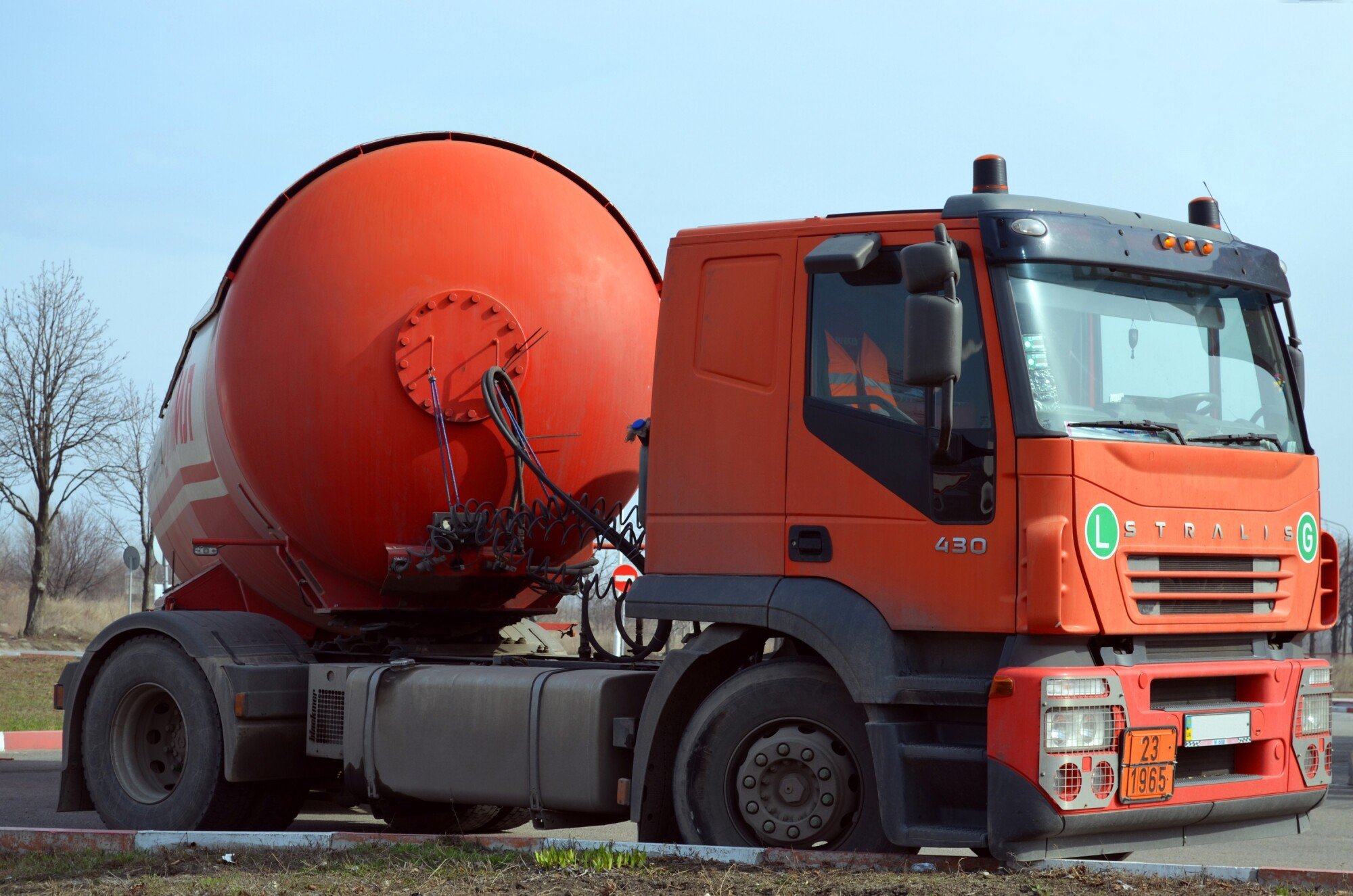
The Unsung Heroes of Chemical Bulk Transportation: A Look into the World of Hazardous Materials Logistics

Chemical bulk transportation is a critical component of modern industry, playing a vital role in the supply chain of various sectors, including manufacturing, energy, and healthcare. The transportation of hazardous materials, in particular, requires specialized expertise, equipment, and infrastructure to ensure the safe and efficient movement of goods. In this article, we will delve into the world of chemical bulk transportation, exploring the challenges, regulations, and best practices that govern this complex and critical industry.

1. The Importance of Chemical Bulk Transportation

Chemical bulk transportation is essential for the production and distribution of a wide range of products, from pharmaceuticals and fertilizers to fuels and chemicals. The transportation of these goods requires specialized vehicles, equipment, and personnel to ensure the safe and secure movement of hazardous materials. Without chemical bulk transportation, many industries would grind to a halt, leading to significant economic and social impacts.

2. The Challenges of Chemical Bulk Transportation

Transporting hazardous materials poses unique challenges, including the risk of accidents, spills, and environmental contamination. Chemical bulk transportation companies must navigate complex regulations, ensure the proper training of personnel, and invest in specialized equipment and infrastructure to mitigate these risks. Additionally, the transportation of hazardous materials often requires the use of dedicated routes and infrastructure, which can be limited and expensive.

3. Regulations and Compliance

The transportation of hazardous materials is heavily regulated by government agencies, including the Department of Transportation (DOT) and the Environmental Protection Agency (EPA). Chemical bulk transportation companies must comply with these regulations, which include the proper labeling, packaging, and documentation of hazardous materials. Companies must also ensure that their vehicles and equipment meet strict safety standards and are regularly inspected and maintained.

4. Specialized Equipment and Infrastructure

Chemical bulk transportation companies require specialized equipment and infrastructure to transport hazardous materials safely and efficiently. This includes dedicated vehicles, such as tanker trucks and railcars, as well as specialized equipment, such as pumps, valves, and sensors. Companies must also invest in infrastructure, including loading and unloading facilities, storage tanks, and emergency response equipment.

5. Training and Personnel

The transportation of hazardous materials requires highly trained personnel who are equipped to handle emergency situations and ensure the safe and secure movement of goods. Chemical bulk transportation companies must invest in comprehensive training programs for their employees, covering topics such as hazardous materials handling, emergency response, and regulatory compliance.

6. Emergency Response Planning

Chemical bulk transportation companies must have a comprehensive emergency response plan in place to respond to accidents, spills, and other incidents. This plan should include procedures for containing and cleaning up spills, evacuating personnel, and communicating with emergency responders and regulatory agencies.

7. The Role of Technology

Technology plays a critical role in chemical bulk transportation, enabling companies to optimize their operations, improve safety, and reduce costs. This includes the use of GPS tracking, telematics, and data analytics to monitor vehicle location, speed, and cargo status. Technology also enables companies to automate processes, such as inventory management and billing, and to improve communication with customers and suppliers.

8. The Future of Chemical Bulk Transportation

The future of chemical bulk transportation is likely to be shaped by advances in technology, changes in regulations, and shifts in global demand. As the industry continues to evolve, companies will need to invest in new equipment and infrastructure, develop new skills and training programs, and adapt to changing regulations and market conditions.

9. Conclusion

Chemical bulk transportation is a critical component of modern industry, playing a vital role in the supply chain of various sectors. The transportation of hazardous materials requires specialized expertise, equipment, and infrastructure to ensure the safe and efficient movement of goods. By understanding the challenges, regulations, and best practices that govern this industry, companies can optimize their operations, improve safety, and reduce costs. As the industry continues to evolve, it is essential that companies invest in new equipment and infrastructure, develop new skills and training programs, and adapt to changing regulations and market conditions.

The 5 Laws of And How Learn More

Doing The Right Way

Valuable Lessons I’ve Learned About

Tips to Consider When Selecting Corporate Communications Company

When selecting a corporate communications company, the decision-making process requires careful attention to a range of factors that can significantly influence the effectiveness of a company’s brand messaging and public image. Corporate communications is not merely about managing press releases or handling internal newsletters; it plays a strategic role in shaping how stakeholders perceive the organization. With the growing complexity of stakeholder demands, globalization, and digital transformation, companies must ensure they partner with a communications firm that aligns with their values, understands their industry, and can deliver consistent, clear, and compelling messages across various channels. The right agency can help manage crises, build brand equity, and enhance employee engagement, making this decision critical to long-term success.

One of the most important factors to consider is the expertise and experience of the corporate communications company. Organizations should look for firms with a proven track record in their specific industry or sector. This is crucial because each industry has its unique challenges, jargon, and regulatory environment that must be navigated with precision. For example, a company in the healthcare sector will have different communication needs and compliance requirements than a firm in the financial services or technology industry. A communications agency that has successfully worked with similar organizations is more likely to understand these nuances and craft messages that resonate with both internal and external stakeholders. Additionally, the length of time a firm has been in operation and the caliber of clients they have served can serve as indicators of their ability to deliver reliable and impactful services. Reviewing case studies, testimonials, and client references can provide insights into the agency’s strengths and weaknesses.

Another significant factor is the range and quality of services offered by the communications company. Corporate communications today go beyond traditional media relations and now include digital communications, content marketing, social media strategy, internal communications, crisis management, and brand reputation management. It is essential to ensure that the firm can offer a full suite of services or at least the specific services that align with the company’s current and future needs. For example, a business undergoing digital transformation might require assistance with employee communications during change management, as well as social media engagement strategies and online reputation monitoring. The ability to integrate these services into a coherent strategy is critical. A firm that operates in silos may deliver inconsistent messaging, which can confuse stakeholders and dilute the brand’s impact. Therefore, evaluating how well the agency coordinates its internal teams and integrates different communication channels is essential for achieving consistent and strategic messaging.

Compatibility and cultural fit between the company and the communications firm is another essential consideration. Effective communication relies heavily on mutual understanding and collaboration, so it is vital that the chosen firm understands the company’s culture, mission, values, and tone of voice. This alignment ensures that messaging remains authentic and resonates with target audiences. A good communications firm should act as an extension of the in-house team, adapting seamlessly to the company’s workflow and strategic priorities. During the selection process, companies should assess how the firm communicates during initial interactions, the responsiveness of their team, and their willingness to understand the client’s unique challenges and goals. Firms that are inflexible or push standardized approaches may struggle to deliver customized solutions. Moreover, a strong cultural alignment often results in more productive partnerships, as it fosters trust, transparency, and long-term collaboration. The better the communication and understanding between both parties, the more efficiently campaigns can be executed.

Lastly, technological capabilities and measurement tools play a pivotal role in modern corporate communications. In an era where data-driven decision-making is paramount, the ability to track, analyze, and measure the impact of communication strategies is indispensable. A competent corporate communications firm should leverage modern technology, analytics platforms, and digital tools to provide real-time insights and performance metrics. Whether it’s monitoring media coverage, evaluating employee engagement, or assessing public sentiment through social media analytics, these tools help refine messaging and strategy. Businesses should inquire about the firm’s reporting capabilities, data transparency, and how frequently insights are shared. A firm that provides detailed analytics and uses data to inform strategy can help companies make evidence-based decisions and continuously improve communication effectiveness. Additionally, technology enhances efficiency in campaign execution, workflow management, and stakeholder engagement, making it a valuable aspect of any communications partnership.

Where To Start with and More

Smart Tips For Uncovering

What You Should Know About This Year

dry bulk tanker companies
Navigating the Complex World of Dry Bulk Tanker Companies

The dry bulk tanker industry plays a vital role in the global economy, transporting massive amounts of commodities such as grains, coal, and minerals across the world’s oceans. With a fleet of over 10,000 vessels, the industry is a complex and highly competitive market, with numerous dry bulk tanker companies vying for market share. In this article, we will delve into the world of dry bulk tanker companies, exploring their operations, challenges, and the factors that influence their success.

1. The Importance of Dry Bulk Tanker Companies

Dry bulk tanker companies are responsible for transporting a significant portion of the world’s commodities, including grains, coal, and minerals. These commodities are essential for the production of food, energy, and other essential goods, making the dry bulk tanker industry a critical component of the global supply chain. The industry’s importance is reflected in the massive size of its fleet, with over 10,000 vessels operating worldwide.

2. Types of Dry Bulk Tankers

There are several types of dry bulk tankers, each designed to transport specific types of commodities. The most common types of dry bulk tankers include:

– Handysize vessels: These are the smallest type of dry bulk tanker, typically ranging in size from 10,000 to 25,000 deadweight tons (DWT). They are often used for transporting smaller quantities of commodities.
– Handymax vessels: These vessels are slightly larger than handysize vessels, typically ranging in size from 25,000 to 40,000 DWT. They are often used for transporting larger quantities of commodities.
– Supramax vessels: These vessels are larger than handymax vessels, typically ranging in size from 40,000 to 60,000 DWT. They are often used for transporting bulk commodities such as coal and grains.
– Capesize vessels: These are the largest type of dry bulk tanker, typically ranging in size from 100,000 to 200,000 DWT. They are often used for transporting massive quantities of commodities such as iron ore and coal.

3. The Business of Dry Bulk Tanker Companies

Dry bulk tanker companies operate on a complex business model, with multiple stakeholders involved in the transportation of commodities. The key players in the industry include:

– Shipowners: These are the companies that own and operate the dry bulk tankers. They are responsible for maintaining the vessels, hiring crew, and ensuring compliance with regulatory requirements.
– Charterers: These are the companies that charter the dry bulk tankers for a specific period of time. They are responsible for providing the cargo, navigating the vessel, and ensuring compliance with regulatory requirements.
– Brokers: These are the companies that act as intermediaries between shipowners and charterers. They are responsible for matching the supply of dry bulk tankers with the demand for chartering services.

4. Challenges Facing Dry Bulk Tanker Companies

The dry bulk tanker industry is a highly competitive market, with numerous challenges facing dry bulk tanker companies. Some of the key challenges include:

– Regulatory requirements: Dry bulk tanker companies must comply with a range of regulatory requirements, including those related to safety, environmental protection, and labor laws.
– Market fluctuations: The dry bulk tanker industry is highly dependent on market fluctuations, with changes in commodity prices and demand affecting the profitability of dry bulk tanker companies.
– Competition: The dry bulk tanker industry is highly competitive, with numerous dry bulk tanker companies vying for market share.
– Maintenance and repair: Dry bulk tanker companies must invest heavily in maintenance and repair to ensure the vessels remain seaworthy and compliant with regulatory requirements.

5. Factors Influencing the Success of Dry Bulk Tanker Companies

Several factors influence the success of dry bulk tanker companies, including:

– Fleet size and composition: The size and composition of a dry bulk tanker company’s fleet can significantly impact its success. Companies with a diverse fleet of vessels can better adapt to changing market conditions.
– Chartering strategy: A dry bulk tanker company’s chartering strategy can significantly impact its success. Companies that adopt a flexible chartering strategy can better respond to changes in market demand.
– Maintenance and repair: Dry bulk tanker companies must invest heavily in maintenance and repair to ensure the vessels remain seaworthy and compliant with regulatory requirements.
– Crew management: Dry bulk tanker companies must manage their crew effectively to ensure compliance with regulatory requirements and to maintain vessel safety.

6. The Role of Technology in the Dry Bulk Tanker Industry

Technology is playing an increasingly important role in the dry bulk tanker industry, with numerous innovations aimed at improving efficiency, safety, and environmental sustainability. Some of the key technologies include:

– Electronic navigation systems: These systems use GPS and other technologies to improve navigation and reduce the risk of accidents.
– Fuel efficiency systems: These systems use advanced technologies to improve fuel efficiency and reduce emissions.
– Ballast water management systems: These systems use advanced technologies to manage ballast water and reduce the risk of invasive species.
– Cybersecurity systems: These systems use advanced technologies to protect against cyber threats and ensure the security of vessel operations.

7. The Future of the Dry Bulk Tanker Industry

The dry bulk tanker industry is facing significant challenges in the coming years, including changes in regulatory requirements, market fluctuations, and competition. However, the industry is also expected to experience significant growth, driven by increasing demand for commodities and the need for more efficient and sustainable transportation solutions. Some of the key trends expected to shape the future of the dry bulk tanker industry include:

– Increased focus on sustainability: Dry bulk tanker companies are expected to prioritize sustainability, investing in technologies and practices that reduce emissions and environmental impact.
– Growing demand for commodities: The demand for commodities such as grains, coal, and minerals is expected to increase, driving growth in the dry bulk tanker industry.
– Increased use of technology: Technology is expected to play an increasingly important role in the dry bulk tanker industry, with numerous innovations aimed at improving efficiency, safety, and environmental sustainability.

8. Conclusion

The dry bulk tanker industry is a complex and highly competitive market, with numerous dry bulk tanker companies vying for market share. The industry is facing significant challenges, including regulatory requirements, market fluctuations, and competition. However, the industry is also expected to experience significant growth, driven by increasing demand for commodities and the need for more efficient and sustainable transportation solutions. By understanding the operations, challenges, and factors that influence the success of dry bulk tanker companies, you can better navigate the complex world of dry bulk tanker companies and make informed decisions about your business.

Getting Down To Basics with

Why People Think Are A Good Idea

Finding Ways To Keep Up With

Navigating the World of Trucking Permits in Florida: A Comprehensive Guide

As a trucking company or owner-operator in Florida, obtaining the necessary permits is crucial to ensure compliance with state regulations and avoid costly fines. With the ever-changing landscape of transportation laws and regulations, it’s essential to stay informed about the requirements and procedures for obtaining trucking permits in Florida. In this article, we’ll delve into the world of trucking permits in Florida, providing you with a comprehensive guide to help you navigate the process.

Understanding the Types of Trucking Permits in Florida

Before we dive into the specifics of obtaining trucking permits in Florida, it’s essential to understand the different types of permits available. The Florida Department of Transportation (FDOT) issues various permits to trucking companies and owner-operators, including:

1. Single-trip permits: These permits are issued for a single trip or a specific period, usually for a specific route or destination.
2. Annual permits: These permits are issued for a year and cover a specific route or destination.
3. Oversize/overweight permits: These permits are issued for vehicles that exceed the standard dimensions or weight limits.
4. Escort permits: These permits are issued for vehicles that require an escort vehicle due to their size or weight.

Requirements for Obtaining Trucking Permits in Florida

To obtain a trucking permit in Florida, you’ll need to meet certain requirements, including:

1. Proof of insurance: You’ll need to provide proof of insurance that meets the minimum requirements set by the FDOT.
2. Vehicle registration: Your vehicle must be registered in Florida or have a valid out-of-state registration.
3. Commercial driver’s license (CDL): You’ll need a valid CDL to operate a commercial vehicle in Florida.
4. Vehicle inspection: Your vehicle must pass a safety inspection before you can obtain a permit.

The Application Process for Trucking Permits in Florida

The application process for trucking permits in Florida is relatively straightforward. You can apply online or by mail through the FDOT’s website. Here’s a step-by-step guide to the application process:

1. Gather required documents: Make sure you have all the necessary documents, including proof of insurance, vehicle registration, CDL, and vehicle inspection report.
2. Fill out the application: Complete the application form, which can be found on the FDOT’s website or obtained by mail.
3. Pay the application fee: The application fee for a single-trip permit is $10, while the fee for an annual permit is $50.
4. Submit the application: Submit your application and supporting documents to the FDOT.
5. Wait for approval: The FDOT will review your application and issue the permit once it’s approved.

Tips for Navigating the Trucking Permit Process in Florida

While the application process for trucking permits in Florida is relatively straightforward, there are a few tips to keep in mind to ensure a smooth process:

1. Plan ahead: Make sure you apply for your permit well in advance of your trip to avoid any last-minute delays.
2. Double-check your application: Carefully review your application to ensure you’ve included all the required documents and information.
3. Be prepared for inspections: Your vehicle will be inspected before you can obtain a permit, so make sure it’s in good condition.
4. Keep your permit on hand: Make sure you have your permit with you at all times while operating your vehicle in Florida.

Common Mistakes to Avoid When Applying for Trucking Permits in Florida

While the application process for trucking permits in Florida is relatively straightforward, there are a few common mistakes to avoid:

1. Failing to include required documents: Make sure you include all the required documents, including proof of insurance and vehicle registration.
2. Inaccurate information: Double-check your application to ensure you’ve included accurate information, including your vehicle’s dimensions and weight.
3. Late applications: Make sure you apply for your permit well in advance of your trip to avoid any last-minute delays.
4. Failure to comply with regulations: Make sure you comply with all regulations and requirements set by the FDOT, including weight and dimension limits.

Conclusion

Obtaining a trucking permit in Florida is a crucial step in ensuring compliance with state regulations and avoiding costly fines. By understanding the types of permits available, meeting the requirements, and following the application process, you can navigate the world of trucking permits in Florida with ease. Remember to plan ahead, double-check your application, and be prepared for inspections to ensure a smooth process. With this comprehensive guide, you’ll be well on your way to obtaining the necessary permits for your trucking business in Florida.

The Best Advice on I’ve found

Why Aren’t As Bad As You Think

Finding Similarities Between and Life

Guidelines to Consider When Hiring the Best Stair Services Contractors

You need to have the best stairs for your house; hence, you need to hire the best stair services contractors to install, remodel, or repair for easy mobility in your building. There are companies that expert’s contractors who will deliver the best stair services for both commercial and residential stair services; hence, you need to choose and consider the best. Find the best company that has the best stair service providers; hence, when you are hiring a stair service contractor, you need to choose the best especially a specialist for reliable services. It is challenging to choose the best stair service contractor’s services since there are a number of stair service contractors, and you need to hire the best for quality service delivery. The following are the guidelines to consider when hiring the best stair services contractor and this include.

The first guideline to consider is the experience. You need to hire a contractor who has great experience, and this will be a guarantee of quality services delivery. You should hire a commercial stair service contractor who has been working for many years delivering this stair service hence the best quality services due to experience and exposure. The right stair services should have experience; thus, you will be sure to use the best stairs products for installation to ensure that your construction is complete and it is the best state.

The next guideline to consider is the reviews. You need to carry out a review and this will help to hire the best contractor for stair services since you will have the background information, you can use that information to hire the best stair services contractors. You can view on the online review and comments of other clients on the best stair service contractor and hire the contractor who has reviews that are positive on the service delivery. The right contractors with best comments for stair services stand out to be the best for they use quality products during installation.

There is also the guideline of license that you need to consider. You need to hire stair contactor who has licenses to carry out the stair services in given area; hence, this will be a guarantee of quality services to ensure the best state of your home. A license is an indication that the stair service contractor has the experience and qualification training skills in stair services hence there will be the best stair services delivery when you hire such contractor.

In addition, there is the guideline for a reputation that you need to consider. You need to hire a stair service contractor who has a good reputation for stair services hence you will be able to get the best flooring and coating services. A reputable stair service contractor has the best skills and experience hence deliver the best services to their clients either for commercial or residential stair services hence you need to hire such a contractor to deliver quality services.

The Best Advice About I’ve Ever Written

Looking On The Bright Side of

5 Takeaways That I Learned About

“Fueling the Passion: The Science Behind Professional Barbecue Systems”

Barbecue is an art form that requires precision, patience, and a deep understanding of the science behind the process. Professional barbecue systems are designed to deliver consistent, high-quality results, and they rely on a combination of advanced technology and traditional techniques to achieve perfection. In this article, we’ll delve into the world of professional barbecue systems, exploring the key components, benefits, and best practices that set them apart from their amateur counterparts.

At its core, a professional barbecue system is a sophisticated network of components that work together to regulate temperature, airflow, and fuel consumption. The heart of the system is the grill or smoker, which is typically made from heavy-duty materials such as stainless steel or cast iron. These grills are designed to distribute heat evenly, allowing for precise temperature control and minimizing hotspots that can burn or undercook food.

One of the key benefits of professional barbecue systems is their ability to maintain consistent temperatures over extended periods. This is achieved through the use of advanced insulation, precision temperature control, and sophisticated ventilation systems. By maintaining a consistent temperature, professional barbecue systems can cook food to perfection, whether it’s a tender brisket or a crispy rack of ribs.

Another critical component of professional barbecue systems is the fuel source. While amateur barbecue enthusiasts may rely on charcoal or propane, professional systems often use more advanced fuels such as wood pellets or liquid propane. These fuels provide a cleaner, more consistent burn, and they can be precisely controlled to achieve the desired temperature and smoke flavor.

In addition to the grill or smoker, professional barbecue systems often include a range of accessories and tools designed to enhance the cooking process. These may include precision thermometers, meat probes, and ventilation systems, all of which work together to ensure that food is cooked to perfection.

One of the most significant advantages of professional barbecue systems is their ability to produce consistent results. Whether you’re cooking for a small group of friends or a large crowd, a professional barbecue system can deliver high-quality results every time. This is because the system is designed to regulate temperature, airflow, and fuel consumption, ensuring that food is cooked to perfection every time.

Professional barbecue systems also offer a range of benefits for commercial operators. For example, they can help to reduce labor costs by automating the cooking process, and they can increase revenue by allowing operators to offer a wider range of menu items. Additionally, professional barbecue systems can help to improve food safety by providing a consistent and controlled cooking environment.

In terms of maintenance, professional barbecue systems are designed to be easy to clean and maintain. The grills and smokers are typically made from durable materials that can withstand heavy use, and the ventilation systems are designed to minimize mess and cleanup. Additionally, many professional barbecue systems come with advanced features such as self-cleaning grates and easy-access ash pans, making maintenance a breeze.

For those who are new to professional barbecue systems, it’s essential to start with the basics. This includes understanding the different types of fuels and grills, as well as the importance of temperature control and ventilation. It’s also important to invest in high-quality accessories and tools, such as precision thermometers and meat probes, to ensure that food is cooked to perfection.

In conclusion, professional barbecue systems are designed to deliver consistent, high-quality results, and they rely on a combination of advanced technology and traditional techniques to achieve perfection. By understanding the key components, benefits, and best practices of professional barbecue systems, you can take your barbecue game to the next level and enjoy delicious, restaurant-quality results every time. Whether you’re a seasoned barbecue enthusiast or just starting out, a professional barbecue system is an investment worth considering.

Doing The Right Way

A Simple Plan For Researching

The Key Elements of Great

Navigating the World of Trucking Permits in Texas: A Comprehensive Guide

As a trucking company or owner-operator in Texas, obtaining the necessary permits is a crucial step in ensuring compliance with state regulations and avoiding costly fines. With the ever-changing landscape of trucking laws and regulations, it’s essential to stay informed about the permits required for your operations. In this article, we’ll delve into the world of trucking permits in Texas, providing you with a comprehensive guide to help you navigate the process.

Understanding the Types of Permits

Before we dive into the specifics of trucking permits in Texas, it’s essential to understand the different types of permits that may be required. There are several types of permits, including:

1. Operating Authority: This permit is required for trucking companies that operate in multiple states, including Texas. It’s issued by the Federal Motor Carrier Safety Administration (FMCSA) and allows your company to transport goods across state lines.
2. Intrastate Operating Authority: This permit is required for trucking companies that operate solely within the state of Texas. It’s issued by the Texas Department of Motor Vehicles (TxDMV) and allows your company to transport goods within the state.
3. Special Permits: These permits are issued by the TxDMV for specific purposes, such as oversized or overweight loads. They may require additional documentation and inspections to ensure public safety.
4. International Fuel Tax Agreement (IFTA) Permit: This permit is required for trucking companies that operate in multiple states, including Texas, and need to report and pay fuel taxes.

Obtaining an Operating Authority Permit

To obtain an operating authority permit, you’ll need to meet the following requirements:

1. Register your business with the FMCSA: You’ll need to register your business with the FMCSA and obtain a USDOT number.
2. Obtain a Motor Carrier Authority (MCA) number: You’ll need to obtain an MCA number from the FMCSA, which is required for all trucking companies operating in interstate commerce.
3. File a Form MCS-150: You’ll need to file a Form MCS-150 with the FMCSA, which provides information about your company, including its name, address, and contact information.
4. Pay the permit fee: You’ll need to pay a permit fee, which varies depending on the type of permit and the length of time you need it.

Obtaining an Intrastate Operating Authority Permit

To obtain an intrastate operating authority permit, you’ll need to meet the following requirements:

1. Register your business with the TxDMV: You’ll need to register your business with the TxDMV and obtain a Texas Motor Carrier Authority (TMCA) number.
2. File a Form TXM-1: You’ll need to file a Form TXM-1 with the TxDMV, which provides information about your company, including its name, address, and contact information.
3. Pay the permit fee: You’ll need to pay a permit fee, which varies depending on the type of permit and the length of time you need it.

Special Permits

Special permits are issued by the TxDMV for specific purposes, such as oversized or overweight loads. To obtain a special permit, you’ll need to meet the following requirements:

1. Submit an application: You’ll need to submit an application to the TxDMV, which includes information about the load, including its size, weight, and route.
2. Pay the permit fee: You’ll need to pay a permit fee, which varies depending on the type of permit and the length of time you need it.
3. Obtain a permit: Once your application is approved, you’ll receive a special permit that outlines the specific requirements for your load.

IFTA Permit

To obtain an IFTA permit, you’ll need to meet the following requirements:

1. Register your business with the TxDMV: You’ll need to register your business with the TxDMV and obtain a Texas IFTA account.
2. File a Form IFTA-1: You’ll need to file a Form IFTA-1 with the TxDMV, which provides information about your company, including its name, address, and contact information.
3. Pay the permit fee: You’ll need to pay a permit fee, which varies depending on the type of permit and the length of time you need it.

Penalties for Non-Compliance

Failure to obtain the necessary permits can result in serious penalties, including fines and even license suspension or revocation. It’s essential to stay informed about the permits required for your operations and to ensure compliance with state regulations.

Conclusion

Obtaining the necessary permits is a crucial step in ensuring compliance with state regulations and avoiding costly fines. By understanding the different types of permits required for trucking operations in Texas, you can ensure that your company is in compliance with state regulations. Remember to register your business with the FMCSA and TxDMV, obtain the necessary permits, and stay informed about changes to state regulations. With the right permits in place, you can focus on what matters most – safely and efficiently transporting goods across the state.

The 10 Best Resources For

Tips for The Average Joe

Doing The Right Way

Understanding the Duty of Real Estate Appraisers

Realty appraisers play an essential role in the residential or commercial property market. They are the specialists in charge of providing an honest price quote of a home’s worth, which is essential for customers, vendors, and lenders alike. This crucial feature ensures that every person involved in a property transaction has a clear, informed perspective on the well worth of a building, which can affect choices varying from rates strategies to financing alternatives.

The job of a property appraiser is diverse. At first, they conduct comprehensive research, that includes evaluating market conditions, analyzing similar buildings, and analyzing the physical features of the building in question. This comprehensive examination allows appraisers to supply accurate and dependable property evaluations. They frequently concentrate on numerous elements such as area, economic trends, and even the condition of neighboring buildings, thus repainting a full photo of the marketplace landscape.

Additionally, these professionals should adhere to rigorous regulatory standards and honest standards. In the United States, the Attire Requirements of Professional Assessment Method (USPAP) set the standard for appraisers, ensuring their evaluations correspond and reliable. This adherence to regulative criteria not just secures customers yet also maintains the integrity of the property market in its entirety.

On top of that, the introduction of innovation has actually transformed the field of property appraising. Automated valuation designs (AVMs) and mobile applications improve the effectiveness of appraisal processes, allowing for faster data collection and analysis. However, while technology help in streamlining jobs, the crucial thinking and market insight supplied by human evaluators continue to be irreplaceable, particularly in distinct or complicated residential property circumstances.

In conclusion, property evaluators are essential to the stability and capability of the real estate market. Their competence offers beneficial understandings right into building values, which are vital for effective deals. As the market remains to evolve with new technologies, the evaluation career will likely adapt, yet the fundamental significance of precise property evaluations will constantly stay a cornerstone of real estate dealings.

The Beginners Guide To (What You Need To Know To Get Started)

Study: My Understanding of